THE THREE MANDATES YOU'RE FOCUSED ON
You will build and lead Kestrel Orbital’s new department, Space Cybersecurity Operations and Resilience (SCOR), toward resilient cyber operations. It exists to meet three mandates of equal weight: Executive Order 14144 (United States), the NIS2 Directive (Europe), and Kestrel Orbital’s own mandate to open an information-sharing channel with the Space Information Sharing and Analysis Center (Space ISAC). They set your scope and the bar SCOR is judged by, and reaching resilient cyber operations is how you meet all three at once. Miss one and the department fails.
Executive Order 14144 (January 2025): protect command and control of the space system. Encrypt commands, protect their integrity, authenticate their source, reject unauthorized attempts. , and the full text behind it.

The EU NIS2 Directive (2022/2555): Space is a sector of high criticality, and the ground infrastructure Kestrel operates carries reporting clocks of 24 hours, 72 hours, and one month. , and the full text behind it.
Kestrel Orbital’s own mandate: machine-to-machine information sharing with the Space ISAC from our MISP instance, scoped, redacted, and policy-gated. , and .

That is your scope, and a policy binder will not meet it. Meet it by standing up Resilient Cyber Operations: adopt the METEORSTORM framework and run its five functions on the platform, so every threat, detection, and resilience measure is enumerated once and normalized into a single analytic picture all three teams read without re-translation. You start tomorrow with the Concept of Operations, the top-down decomposition of the one path those mandates put in scope: the telecommand route the three teams have never described the same way.
THE THREE PEOPLE WHO TURN THE TABLES
An adversary studies one platform. Your organization describes it three different ways, and every seam between those descriptions is somewhere an attack can live unseen. Each department has given you one contact. Adopt a standardized taxonomy and ontology at the organizational level to bridge all three, and the attacker loses the ground they were counting on.



Each of them is right about a different platform. The adversary works the space between the three answers, and nobody owns it.
One enumeration, one set of names. Intelligence, operations, and engineering point at the same element, so nothing sits in a seam.
The adversary has to beat three departments who know the platform better than they do. That is the first point of the Pentagon of Pain, and you will meet all five later today.
“The adversary suffers when you know your platform better than they ever can.”
None of these three can see the whole platform, and no meeting fixes that. Enumeration does: one taxonomy, one ontology, every element named once and anchored to its parent, until three partial views become one model with nothing left unowned.
YOU MUST IMPLEMENT A STANDARD TAXONOMY AND ONTOLOGY

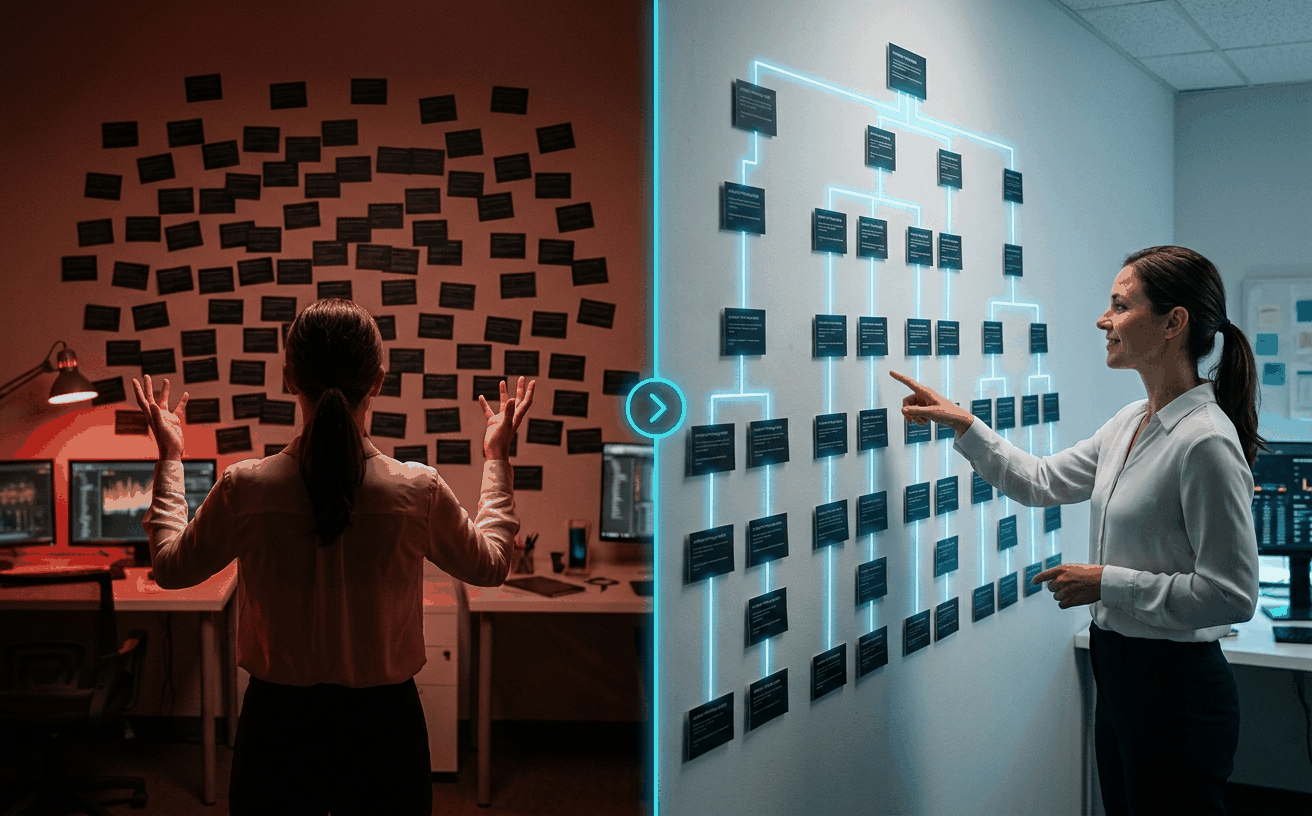
You were hired to stop intelligence dying at the boundaries between Kestrel Orbital's departments, and the taxonomy is SCOR's first move against it. It gives every part of a space platform one name across the four structural layers: the Primary Capability Environment (PCE), where the platform physically operates; the Segment (SEG), the operational role of each enclave; the Service (SVC), the capability each enclave delivers; and the Asset (AST) elements that implement it. It is real and already in the open: the implementation lives at machinetag.json as an MISP taxonomy. You will apply each layer and name your own platform with it in the days ahead.

Naming the parts is half the job; making those names connect is how you finish closing the gap, and that is the ontology. Every element anchors to its parent in the layer above: an Asset implements a Service, a Service is carried by a Segment, and a Segment operates within one or more Primary Capability Environments, one chain from the most concrete Asset back to the environment the platform operates in. Attach enrichment to any small part and it traces back through the chain to the larger part it concerns, so every defensive cyber operator you serve inherits structural context for free. You will walk the chain and write your own in the next modules.

YOU MUST IMPLEMENT RESILIENT CYBER OPERATIONS
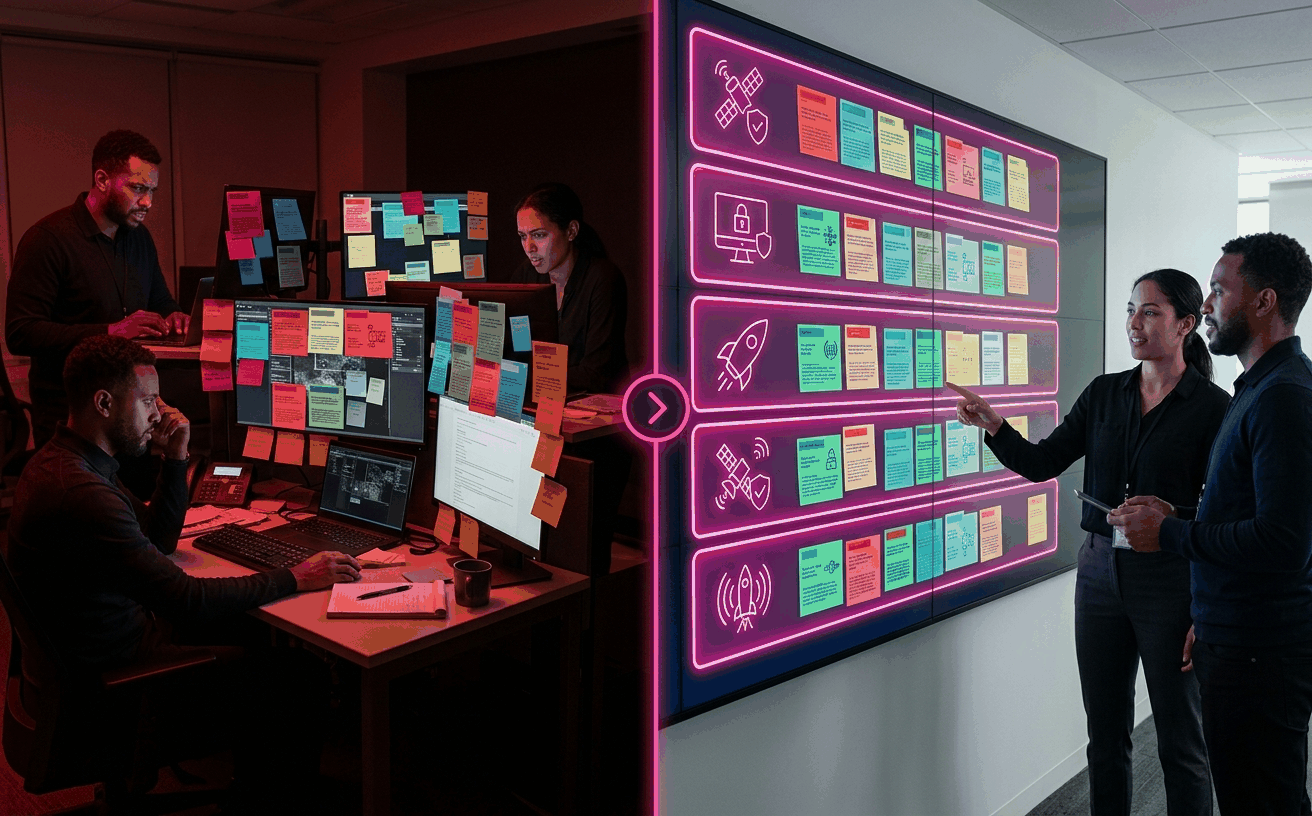
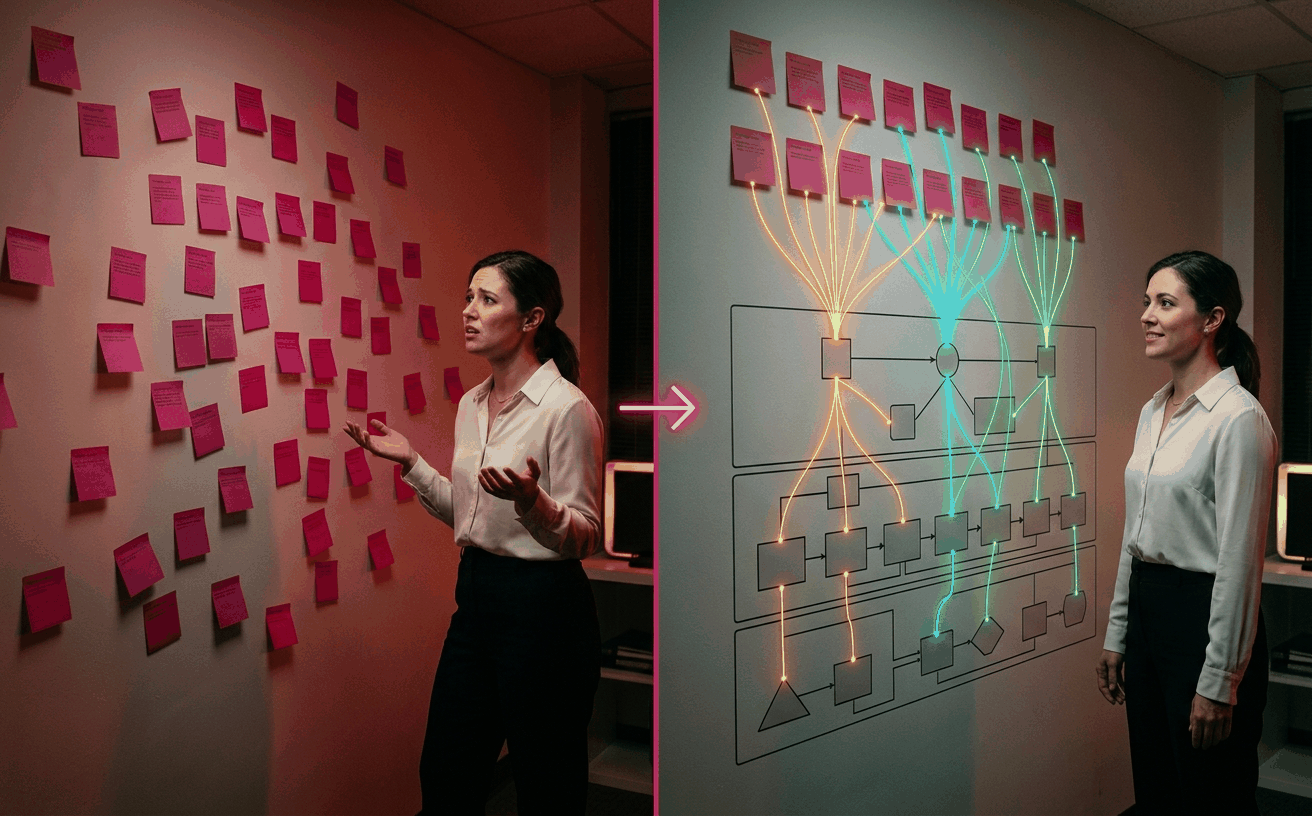
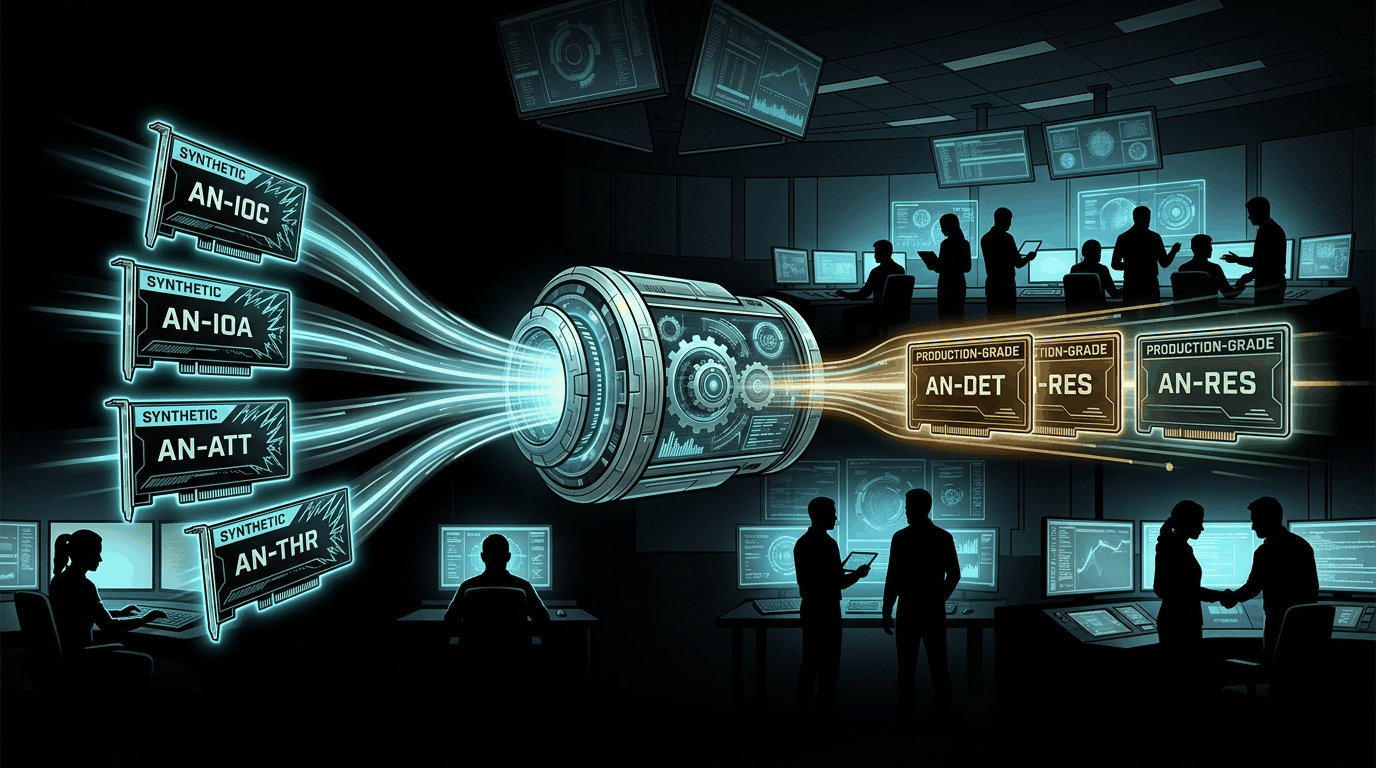
This is how you make enrichment usable by every department: one published taxonomy for every kind of enrichment you produce. Six fixed categories cover the entire analytic surface: AN-IOC (Indicator of Compromise) and AN-IOA (Indicator of Attack) for what the adversary leaves behind and does, AN-THR (Threat), AN-ATT (Attack Path), AN-DET (Detection Signature), and AN-RES (Resilience Measure). It lives in the same machinetag.json file as the structural taxonomy. You will apply each category to your own enrichment in the days ahead.

Enrichment is only useful if it points at a specific part of the platform, so each enrichment element names its target in a TARGET field. The four threat-side categories, AN-IOC, AN-IOA, AN-ATT, and AN-THR, name the element the adversary exploits: the Target of Exploitation (TOE). AN-DET detection signatures name a Target of Detection Method (TDM), and AN-RES resilience measures name a Target of Resilience Enhancement (TRE). Without a target an enrichment element is a free-floating note; with one, every defensive cyber operator can locate the part of the platform it concerns.

YOU MUST TURN THE COST BACK ON THE ATTACKER

Master Decomposition
"The adversary suffers when you know your platform better than they ever can."
Master Contextualized Threat Modeling
"The adversary suffers when every strike they imagine is already prepared for."
Master Converged Detection Engineering
"The adversary suffers when they cannot hide, and every move is seen."
Master Exposure Management
"The adversary suffers when every path they take ends in a trap."
Master Adversary Management
"The adversary suffers when their plans are known, broken, and turned against them."
THE FIVE FUNCTIONS

No shared structural taxonomy across the operational stack.

Threats tracked as actor names with no link to the platform elements they target.
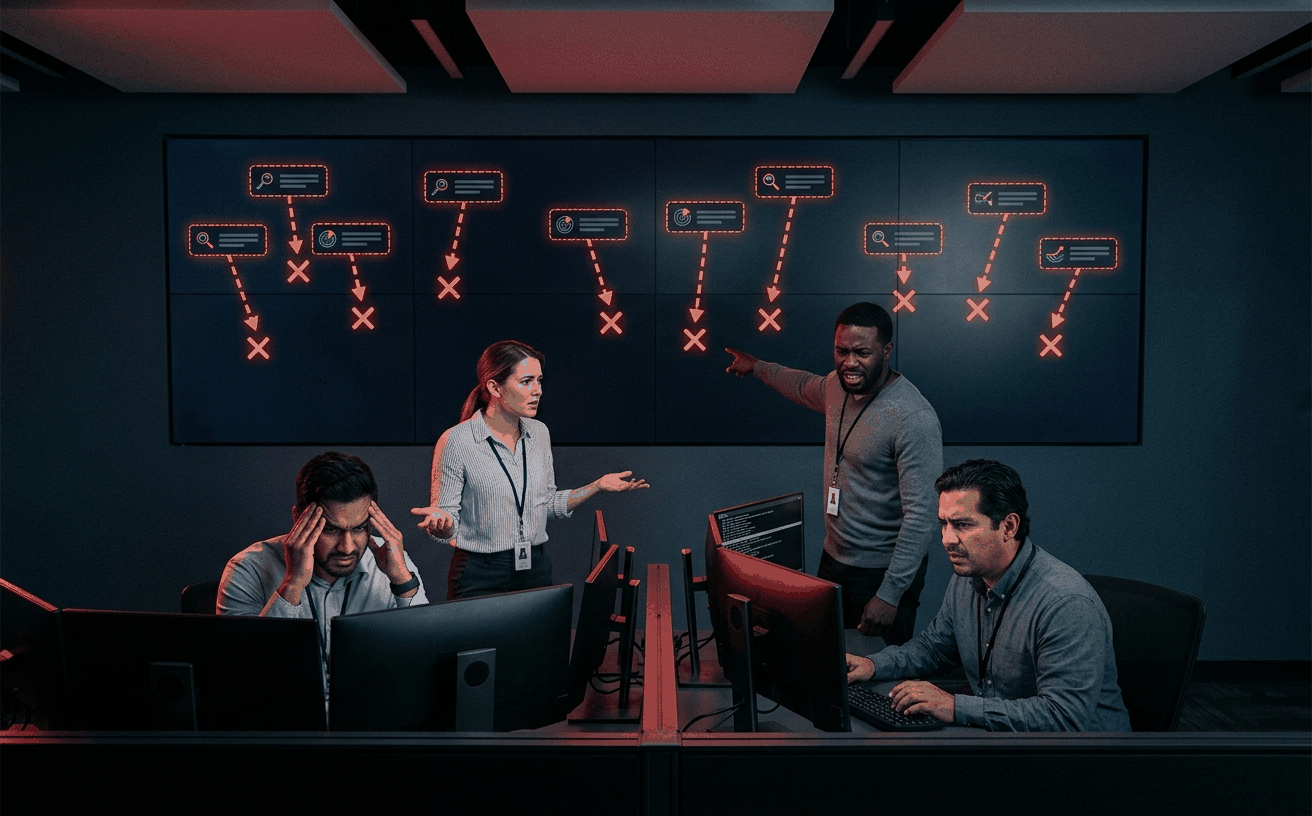
Detection rules written before attack paths and source inventory exist.

Vendor-locked signatures with no paired response playbook for the SOC.

The same adversary returns; the same flaw stays exposed; no shared posture.
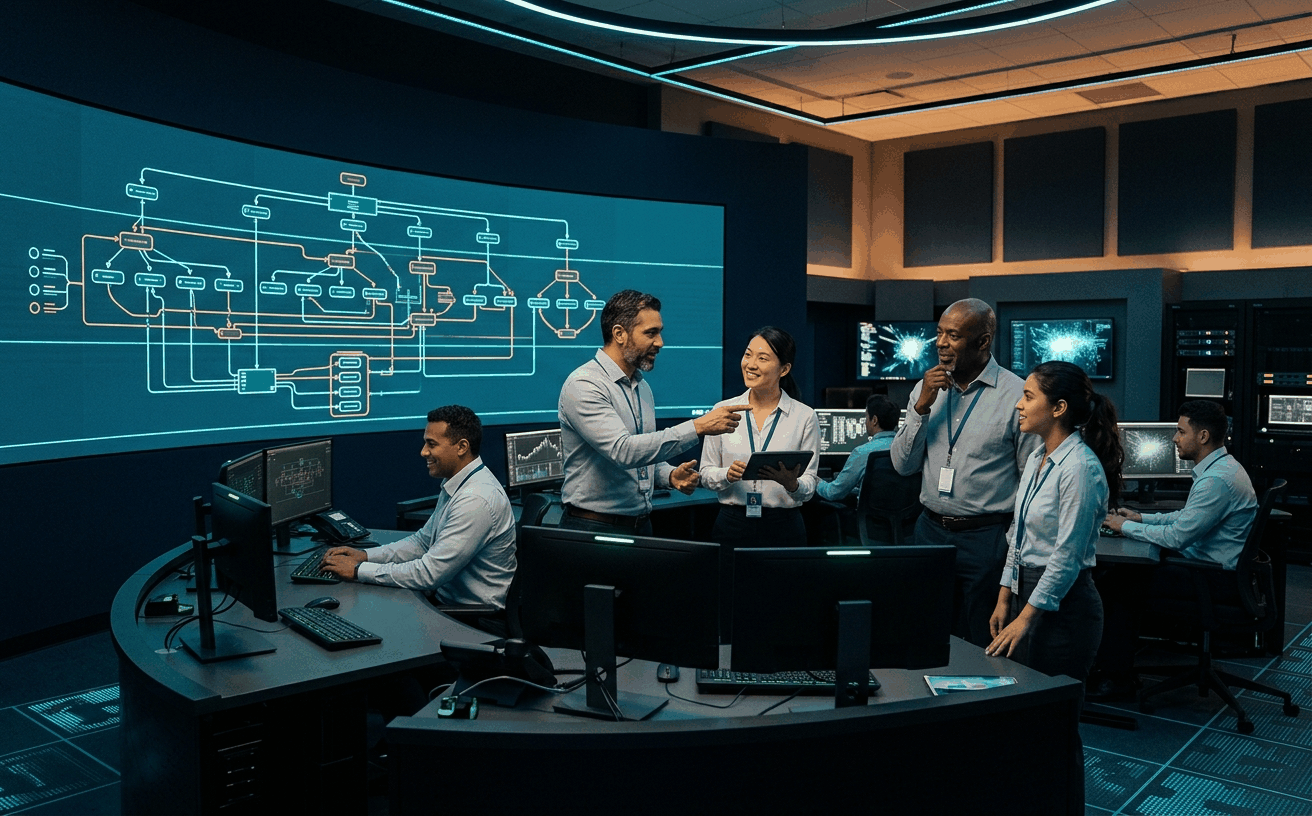
Decompose the in-scope telecommand path into enumerated elements all three departments read the same way.
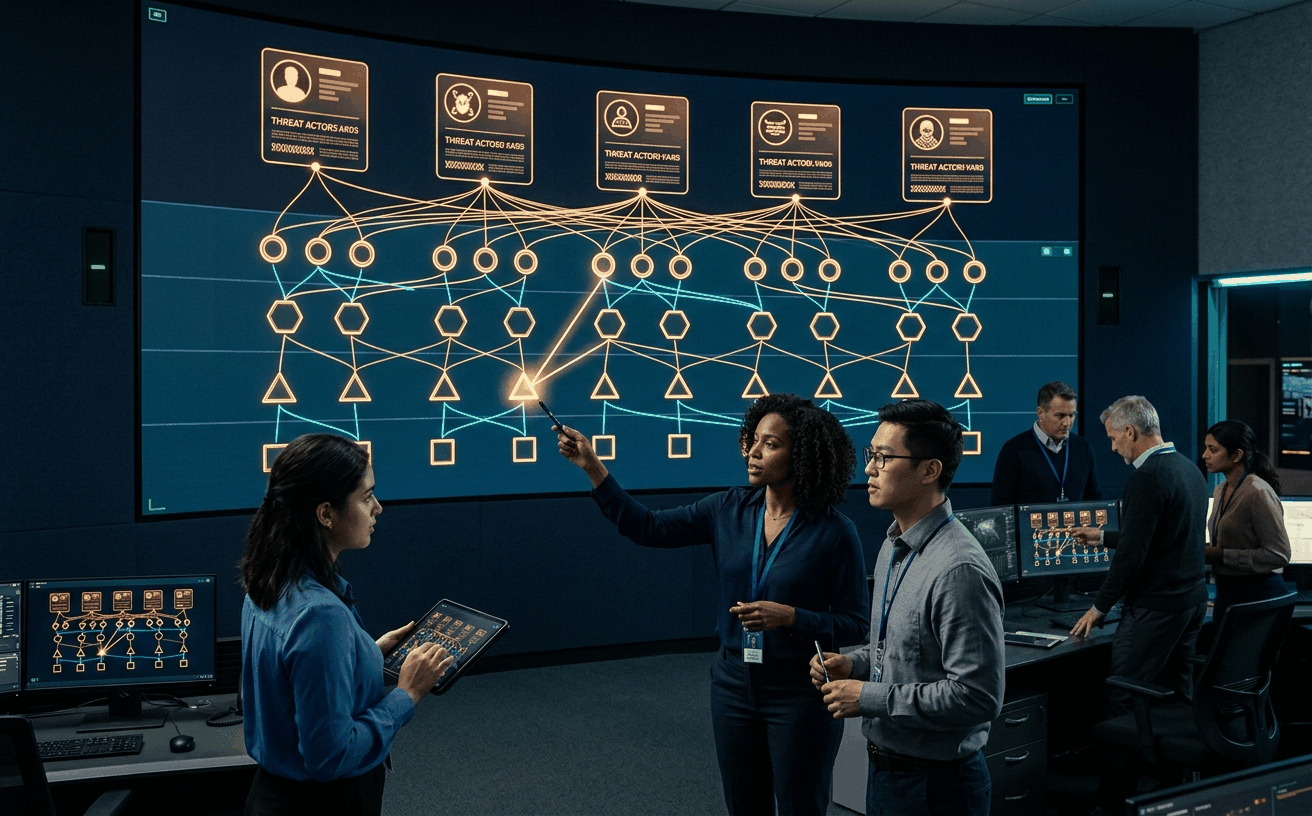
Enumerate the threats against Kestrel Orbital’s platform and anchor each one to the elements it targets.

Map how an adversary would traverse Kestrel Orbital’s command path, and the data and signal sources needed to see each step.

Write the detection signatures and the response playbooks the Security Operations Center runs when they fire.

Shrink the attack surface the adversary keeps finding across Kestrel Orbital’s missions.
YOU MUST START WHERE EACH DEPARTMENT ALREADY IS
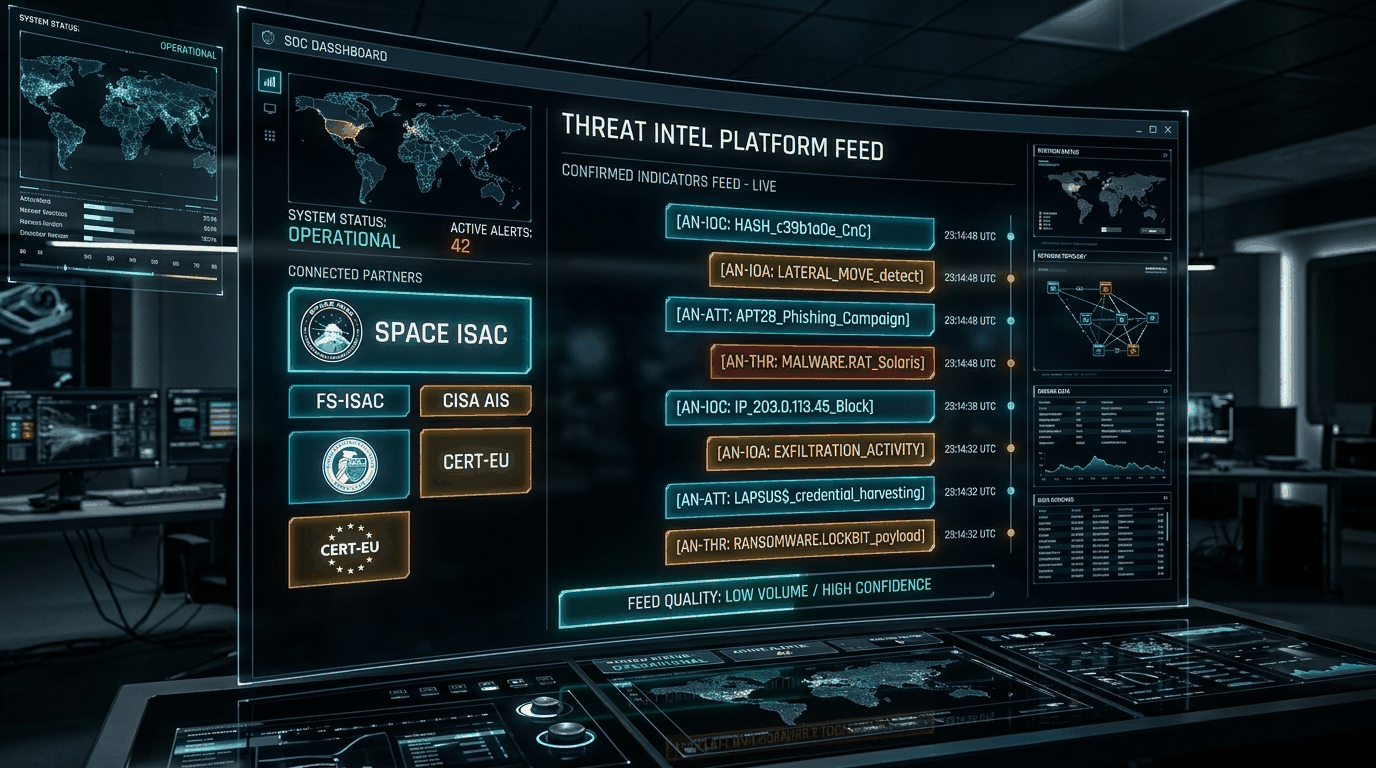
- Adopt the shared taxonomy inside your existing Threat Intel Platform so confirmed enrichment reads the same way for every analyst, vendor, and partner. Federating with Space ISAC peers stands up the sharing channel Kestrel Orbital requires; what you federate stays selective.
- Align Security Operations, Satellite Operations, and Satellite Design & Engineering on the five-function process while the platform is being designed or rebuilt, so each department runs the framework as part of daily work rather than alongside it.
- Run exercises in an environment fully separate from production with Security Operations, Satellite Operations, and Satellite Design & Engineering, using synthetic adversary data, so the detection signatures, response playbooks, and resilience measures the three departments build during the exercise graduate straight into production the moment it closes.
ACTIVATE
010203


INTEGRATE
F01F02F03F04F05



ENGAGE
0102030405